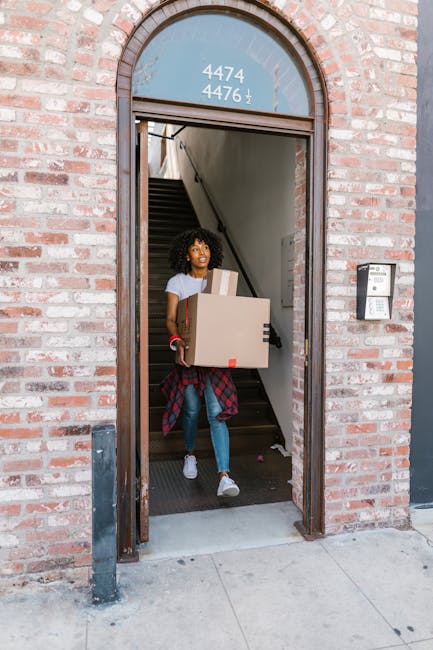
Step by Step Guide to Packing for Long Distance Removals
Long-distance moving has a way of exposing every packing shortcut you ever took. The drawer full of loose cables, the cupboard of half-used kitchen bits, the stack of "I'll sort that later" items in the spare room... it all becomes very real when the van is booked and the journey is a few hundred miles, not a few streets. This step by step guide to packing for long distance removals is designed to help you pack in a way that keeps breakages down, makes unloading easier, and saves a surprising amount of stress on moving day.
Whether you are moving a full family home, a flat, or a smaller property with awkward fragile items, the goal is the same: pack for the journey, not just the lift from the hallway to the van. Long-distance removals are less forgiving. Boxes sit longer in transit, items shift more, and if anything is packed badly, you tend to discover it at the far end. Not ideal. The good news? A sensible packing plan makes a huge difference.
In this guide, you will get a practical sequence to follow, plus expert tips, common mistakes to avoid, and a realistic checklist you can actually use. It also touches on relevant service choices, safety, and best-practice expectations so you can make informed decisions before moving day arrives.
- Why this guide matters
- How the packing process works
- Key benefits and practical advantages
- Who this is for and when it makes sense
- Step-by-step guidance
- Expert tips for better results
- Common mistakes to avoid
- Tools, resources and recommendations
- Law, compliance, standards and best practice
- Options, methods and comparison table
- Case study or real-world example
- Practical checklist
- Conclusion
- Frequently asked questions
Why Step by Step Guide to Packing for Long Distance Removals Matters
Packing for a long-distance move is not the same as packing for a local one. The simple difference is time and movement. Items may be in the vehicle longer, roads may be rougher, and your boxes are more likely to be stacked, turned, and shifted. That means weak boxes, loose packing, and poor labelling can turn a manageable move into an irritating one.
There is also the emotional side of it. Moving long distance usually means more than changing address. You may be changing schools, jobs, routines, and even the kind of space you live in. It can be a proper head-spinner. A clear packing process gives you a bit of control back. You know what is packed, what stays accessible, and what must be opened first when you arrive.
In practical terms, a good packing system helps with:
- protecting fragile items during transport
- reducing loading and unloading delays
- making rooms easier to organise at the destination
- lowering the chance of lost or mixed-up items
- keeping essentials accessible without rummaging through everything
That last one matters more than people expect. Nobody wants to spend the first night in a new home searching for a kettle lead, medication, or the only frying pan they can actually use. Been there, or at least seen the aftermath, and it is not a glamorous start.
How Step by Step Guide to Packing for Long Distance Removals Works
The basic idea is simple: you sort, declutter, protect, label, and sequence everything so the unpacking process becomes predictable rather than chaotic. In a long-distance move, this matters even more because your load needs to survive not just handling, but travel.
A well-planned approach usually follows this pattern:
- Sort the home by priority so you know what is moving, what is being donated, and what can be binned or recycled.
- Pack by room and item type to keep related belongings together.
- Protect fragile and valuable items with enough cushioning and stronger boxes.
- Label clearly so boxes can be placed in the right rooms later.
- Create an essentials kit for the first 24 to 48 hours after arrival.
- Load with sequence in mind so the most useful items are easiest to find first.
That sounds straightforward, and mostly it is. The challenge is discipline. Packing a couple of boxes badly can feel harmless in the moment, but long-distance removals reward good habits and punish shortcuts. Truth be told, the neatest moves are rarely the fanciest ones. They are the organised ones.
If you are using a professional moving team, it is worth checking whether you also need help with packing and unpacking services or a broader removal services package. That can be especially helpful if you have tight deadlines, a full family home, or simply enough on your plate already.
Key Benefits and Practical Advantages
The biggest benefit of packing well is obvious: fewer damaged items. But that is only the beginning. Good packing also makes the entire moving process feel more controlled, which is no small thing when boxes, paperwork, travel times, and keys are all happening at once.
Here are the practical advantages most people notice quickly:
- Less breakage: sturdy boxes and proper cushioning reduce damage to glassware, electronics, kitchenware, and ornaments.
- Faster unloading: labelled boxes make it easier for movers or helpers to place items into the correct rooms.
- Lower stress: if the essentials box is ready, the first night feels far more manageable.
- Better use of van space: correctly packed boxes stack neatly and waste less room.
- Cleaner unpacking: you are not opening random boxes just to find one charging cable.
There is also a financial side. If you pack poorly and something breaks, the cost is not always just the item itself. It can mean replacement purchases, delays, or extra time spent replacing things after arrival. For that reason, many people compare self-packing with professional help and look closely at pricing and quotes before deciding what makes sense.
Expert summary: for long-distance removals, the best packing strategy is not the fastest one. It is the one that balances protection, labelling, and access to essentials. Simple, but it works.
Who This Is For and When It Makes Sense
This guide is useful for almost anyone planning a move that involves a meaningful journey, but it is especially relevant if your move is cross-county, cross-country, or simply more than a quick local hop. If the van is going to be on the road for hours, you need a tighter system.
It makes particular sense for:
- families moving to another part of the UK
- flat-sharers splitting up belongings and furniture
- homeowners moving into a larger or smaller property
- people relocating for work and needing a quick, organised setup
- business owners planning a commercial relocation or office downsizing
If you are planning a business move, some of the same packing rules apply, but deadlines are often tighter and there is more pressure around equipment, files, and IT. In that case, it can help to look at office removals or commercial moves rather than trying to treat it like a normal house move.
For homeowners, the most useful question is simple: are you trying to move everything in one go, or are you trying to move your life with as little disruption as possible? The answer shapes how much time you should set aside for packing, how much help you need, and whether you should book a team like house removals or a more flexible option such as man and van removals.
Step-by-Step Guidance
1. Start with a clear declutter
Before you seal a single box, sort the house room by room. Separate items into keep, donate, recycle, and discard. Long-distance moves are not the time to pay to transport things you never use. That old lamp in the spare room? If it has been untouched for three years, ask whether it deserves a place in the van.
A clean declutter stage saves money and effort. It also makes packing less mentally messy. There is something oddly calming about seeing a pile shrink rather than grow.
2. Gather proper packing materials early
Do not leave materials until the night before. You will end up improvising with supermarket bags and half-sturdy cardboard, which is rarely a good sign. You need strong boxes, tape, bubble wrap or paper, markers, labels, furniture covers, and a few specialist items for wardrobes or TVs if needed.
If you are moving bulky pieces, check whether you need help with furniture pick up or support from a movers team. Heavy furniture can change the whole packing plan.
3. Pack non-essentials first
Start with the things you can live without for a couple of weeks: seasonal clothes, books, decor, spare linens, hobby items, and backup kitchen items. This gives you momentum without making daily life harder straight away.
Pack heavier items in smaller boxes. That is one of those boring rules that saves backs and curses later on. A box of books feels manageable at the start and absolutely ridiculous at the point you lift it.
4. Pack one room at a time
This is one of the simplest ways to avoid confusion. Keep each room together, or at least keep sub-groups together inside the same room. Kitchen items in kitchen boxes, bedroom items in bedroom boxes, and so on. Mixing everything because "it is all going in the same van anyway" creates a headache later.
Try to mark boxes with both the room and the contents, such as "kitchen - mugs and glassware" or "main bedroom - lamps and bedding". That gives much better unpacking speed than a vague label like "stuff".
5. Protect fragile items properly
Long-distance travel is hard on crockery, glass, mirrors, picture frames, and electronics. Wrap fragile items individually, fill empty space inside boxes, and avoid overloading cartons with too much weight. Crumpled paper, towels, and soft clothing can help, but proper packing paper or wrapping is still better for cleaner protection.
For expensive items, take photos before packing. Not because you expect problems, but because it gives you a record of condition and helps you remember how pieces were connected or stored. A tiny bit of admin, yes, but useful admin.
6. Create an essentials box
This deserves its own step because it is the box people forget most often. Pack the items you will need on the first night and first morning:
- phone chargers
- medication
- toiletries
- spare clothes
- basic kitchen bits
- tea, coffee, kettle supplies
- toilet paper
- pet items if needed
- important documents
Put this box somewhere easy to identify and keep it separate from the main load. If you arrive late on a rainy evening, the difference between "essentials box ready" and "where is the toothpaste?" is huge. Small mercy, but a real one.
7. Label, colour-code, and keep a master list
Use clear labels on at least two sides of each box. If you like, colour-code by room with stickers or marker dots. For larger moves, keep a simple written inventory on paper or in a notes app. It does not need to be fancy. It just needs to help you answer one question: where is this box, and what is in it?
A master list is especially useful if movers, family members, or friends are helping. Everyone can see the system and follow it without constant questions. Fewer questions. Fewer problems.
8. Prepare appliances and electronics correctly
Appliances need a little care. Defrost fridges and freezers ahead of time. Dry washing machines and dishwashers where needed. Remove loose parts, tape doors carefully, and keep cables with the item they belong to. For televisions and monitors, use original packaging if you still have it, or a strong box with proper cushioning.
Modern electronics can be surprisingly vulnerable to rough handling, and long motorway journeys are not especially gentle. If an item is expensive, treat it as if it will be stacked, moved, and nudged a few times. Because, frankly, it probably will be.
9. Pack by load order, not just by room
Think about what you will want first at the new property. For example, bedding, kettle, bathroom basics, and cleaning supplies should not disappear under boxes of winter coats and spare ornaments. If you are loading yourself or briefing movers, make it easy for the first unloading wave to happen smoothly.
This is where having a plan helps the whole day feel less frantic. The boxes you need first should be easiest to reach. It sounds obvious, but the obvious stuff is where many moves wobble.
10. Do a final sweep before the van arrives
Before the team or vehicle arrives, walk each room and check cupboards, loft spaces, behind doors, under sinks, and on top of wardrobes. People leave things everywhere when they are busy, especially in the last hour. The famous "just one more drawer" is usually not harmless.
Give yourself a final ten minutes to confirm:
- nothing essential has been left out
- important documents are with you
- boxes are sealed properly
- fragile items are marked clearly
- keys, meters, and access details are ready
Expert Tips for Better Results
Small moves can survive a little chaos. Long-distance removals usually cannot. Here are the details that make the biggest difference in real life.
- Use smaller boxes for heavier items. It sounds obvious, but big boxes filled with books are one of the quickest ways to create shoulder pain and crushed bottoms.
- Keep screws, fittings, and instructions together. Tape them to the relevant furniture or place them in clearly marked bags.
- Wrap plates vertically where possible. They tend to cope better that way than stacked flat under pressure.
- Photograph cable setups before unplugging. Future you will be grateful.
- Leave some breathing space in boxes. Overstuffing leads to bulging, splitting, and awkward stacking.
- Mark fragile items honestly. If everything is marked fragile, nothing is. Use it where it matters.
One more practical point: if you are short on time or carrying too many responsibilities at once, it is usually worth comparing packing help with self-packing. A team offering packing and unpacking services can be a smart choice for families, busy professionals, or anyone with a home full of delicate items and no spare weekend to spare. Let's face it, time has a cost too.
And yes, label the top of the box. People forget that bit all the time. It is a little thing, but the little things are often what save the day.
Common Mistakes to Avoid
Most packing problems are not dramatic disasters. They are small mistakes repeated across many boxes. That is what makes them annoying. Here are the ones worth watching.
- Waiting too long to start: packing in a rush leads to poor decisions, weak wrapping, and forgotten items.
- Using worn boxes: old cardboard may seem fine until it gives way under weight.
- Mixing rooms randomly: it makes unpacking slower and more frustrating.
- Forgetting essentials: the first 24 hours are much easier if you pack smart.
- Overpacking heavy boxes: they become unsafe to lift and more likely to fail.
- Not checking access at the new property: if stairs, parking, or lift access are tricky, your packing plan may need to change.
Another common issue is assuming that everything can be packed the same way. It cannot. A book, a wine glass, a lamp, and a printer each need different handling. The box is not the important part; the object inside is.
If you are moving into a building with tighter access, it is sensible to discuss handling needs with your chosen team and review their health and safety policy and insurance and safety information. That is especially useful where stairs, shared entrances, or awkward parking are involved.
Tools, Resources and Recommendations
You do not need a warehouse of gear, but the right tools make packing much easier. A small investment in materials usually pays off in reduced stress and fewer damaged belongings.
| Item | Best for | Why it helps |
|---|---|---|
| Double-walled boxes | Heavy or fragile items | Stronger structure for long-distance travel |
| Packing tape | Sealing boxes securely | Helps prevent boxes opening during handling |
| Labels and marker pens | Organisation and room planning | Makes unloading and unpacking faster |
| Wrapping paper or bubble wrap | Glasses, crockery, decor, electronics | Adds cushioning during transit |
| Wardrobe boxes | Hanging clothes | Reduces creasing and saves time later |
| Furniture covers | Sofas, mattresses, soft furnishings | Helps keep items clean and protected |
If you are arranging the move itself, it may also help to compare options such as removal company, removal companies, or a more flexible man with van style service depending on volume and distance. The right vehicle and crew matter because long-distance packing and load planning should match the size of the job, not just the postcode.
If you are also thinking about the vehicle side, useful pages to compare include removal van, removals van, moving van, and moving truck. The ideal choice depends on how much you are taking and how much loading support you need.
Law, Compliance, Standards, or Best Practice
For most household moves, packing itself is not heavily regulated in a legal sense. But there are still important standards and best-practice expectations to think about, especially if you are hiring movers or handling a larger commercial relocation.
In the UK, moving firms are generally expected to work safely, handle goods with reasonable care, and provide clear terms about what they do and do not cover. That means you should always read the service terms and understand the limits around liability, fragile goods, and customer-packed boxes. If you pack an item badly yourself, it may affect how any damage is assessed. That is not a scare tactic, just a sensible expectation.
It is also wise to look at practical policy pages such as terms and conditions, payment and security, and privacy policy before you confirm a booking. These pages help you understand how a company handles your booking details, payments, and service commitments.
For business relocations, there can be added considerations around records, access control, and the safe movement of equipment. A good office move should keep confidential papers secure and avoid dangerous lifting habits. If a team is transporting workstations, filing, or stock, the process should fit their own safety procedures and the practical realities of the site. Not glamorous, but absolutely necessary.
One final note: if you are moving items for charity, reuse, or disposal, a responsible company will often have policies around recycling and sustainability. It is a nice bonus if your move can be a bit less wasteful. The world has enough broken cardboard already.
Options, Methods, or Comparison Table
There is more than one way to pack for long distance removals. The right method depends on how much time you have, how fragile your belongings are, and how much help you want on the day.
| Method | Best for | Pros | Trade-offs |
|---|---|---|---|
| Self-packing | Smaller moves, flexible timelines | Lower upfront cost, full control | More time, more physical effort, higher risk if rushed |
| Partial professional packing | Fragile items, kitchens, busy households | Saves time where it matters most | Costs more than self-packing |
| Full packing service | Large homes, tight deadlines, complex moves | Fastest and least stressful | Highest cost, less personal control |
For many people, a hybrid approach is the sweet spot. They pack clothes, books, and soft items themselves, then ask movers to handle glassware, fragile decor, or bulky furniture. That keeps costs down without turning the most delicate parts into a gamble.
If you are moving home rather than just relocating a few items, you may also find home moves, house movers, house removalists, and house removals useful to compare as you plan the move type around your packing workload.
Case Study or Real-World Example
Imagine a family moving from South London to the Midlands. They have two children, a lot of toys, a kitchen full of small appliances, and a few fragile framed prints they care about more than they admit. The first time they pack, they begin with random boxes from the garage and all the loose kitchen bits they can find. By the end of day one, it looks busy, but not especially organised.
Then they switch to a room-by-room plan. One evening becomes bedroom packing. Another is dedicated to books and paperwork. The next afternoon they sort the kitchen and create an essentials box with snacks, mugs, a kettle, chargers, and the children's tablets. It is not elegant, but it works.
On moving day, the difference is obvious. The van is loaded more cleanly. Boxes are easier to place by room. The children's bedtime stuff is found quickly, which lowers tension immediately. The kitchen takes longer to unpack, but because everything is labelled clearly, the family can make tea and eat without opening ten mystery boxes. Small win. Big feeling.
That is really the point. Good packing does not make a move perfect. It makes the rough bits manageable.
Practical Checklist
Use this checklist in the final week before your move. It is simple on purpose.
- Sort items into keep, donate, recycle, and discard
- Book or confirm your removal date
- Order strong boxes and packing materials early
- Pack rarely used items first
- Keep each room grouped together where possible
- Wrap fragile items individually
- Label every box with room and contents
- Create an essentials box for the first 24 to 48 hours
- Photograph complicated furniture and cable setups
- Defrost and dry appliances if needed
- Set aside documents, valuables, and keys
- Check access, parking, and arrival arrangements
- Walk through every room before the van leaves
If you still have large or awkward items left over, it may be sensible to arrange a final collection or disposal plan rather than forcing them into the move. That is where services such as furniture pick up can be useful. Less clutter now usually means less regret later.
Conclusion
A long-distance move is much easier when packing is treated like part of the move plan, not a last-minute chore. The real secret is consistency: sort early, pack methodically, label clearly, and keep the essentials separate. It is not glamorous work, but it is the kind of practical preparation that saves time, money, and a lot of unnecessary stress.
Whether you are moving a family home, a flat, or a business space, the same principle applies. Protect what matters, simplify what you can, and keep the next 24 hours in mind as much as the journey itself. That mindset usually produces the calmest move. And calm is worth quite a lot on moving day, to be fair.
If you want support with the packing itself, the loading plan, or the removal day logistics, it makes sense to speak with a trusted team and choose the level of help that matches your move. A little expert support at the right moment can make the whole thing feel much more manageable.
Get a free quote today and see how much you can save.
Frequently Asked Questions
What is the best way to start packing for a long-distance move?
Start by decluttering and packing items you do not use daily. Then work room by room, beginning with the least essential areas such as spare rooms, books, decor, and seasonal belongings. This gives you structure and avoids the last-minute chaos that usually causes mistakes.
How early should I start packing before a long distance removal?
For a typical home move, starting two to four weeks ahead is sensible if you are doing it yourself. Larger homes or busy households often need longer. The earlier you begin, the more carefully you can sort, wrap, and label without rushing.
Should I pack everything myself or use a packing service?
It depends on time, budget, and how fragile your belongings are. Many people self-pack clothes, books, and soft items, then use professional help for kitchens, glassware, and delicate furniture. A hybrid approach is often the most practical choice.
What should go in an essentials box?
Pack the things you will need on the first day and first night: chargers, toiletries, medication, a change of clothes, basic kitchen items, tea or coffee, toilet paper, and important documents. Keep it separate so you can reach it quickly.
How do I pack fragile items safely for a long journey?
Wrap each item individually, use sturdy boxes, fill empty space so things do not shift, and avoid overpacking. Plates, glasses, and ornaments should not rattle. If an item is especially valuable, take a photo before packing and give it extra protection.
What boxes are best for long-distance removals?
Strong, good-quality boxes are the best choice, ideally double-walled for heavier or more fragile items. Weak or reused boxes can collapse when stacked in the van or during loading. That is one area where cutting corners usually backfires.
How should I label my boxes?
Label each box with the room it belongs to and a short list of contents. If you want extra clarity, use colour-coded stickers or write "fragile" only where needed. Clear labels make unloading and unpacking much easier.
Can I pack books and heavy items in large boxes?
It is better not to. Heavy items should go into smaller boxes so they stay liftable and safer to handle. Large boxes full of books become very awkward very quickly, and they are one of the most common packing mistakes.
Do I need to defrost my fridge before moving?
Yes, if you are taking the fridge or freezer with you, it is usually best to defrost it ahead of time and dry it thoroughly. This helps prevent leaks, odours, and water damage during transit.
What if I have a lot of furniture to move?
If you have bulky or awkward furniture, it may be worth using a team that can handle larger household loads, especially if access is tight. Options like house removals or removal company services can be more suitable than trying to manage it all yourself.
How do I avoid losing things during the move?
Use a master list, keep boxes grouped by room, and separate valuables and documents from the main load. It also helps to have one clearly marked essentials box and to photograph important items before they are packed away.
Is it worth comparing removal vehicle options before booking?
Yes. The right vehicle depends on how much you are moving and whether you need extra loading support. It can be helpful to compare a removal van, moving van, or moving truck depending on the size of the job.
Where can I get help if I am planning a bigger move?
If you are moving a full household or need help with the details, it is sensible to speak with a company that offers tailored support. You can also review relevant pages such as removals and removals near me to understand the available options before you decide.